
Curaçao Driving Rules Guide for Easy Island Days
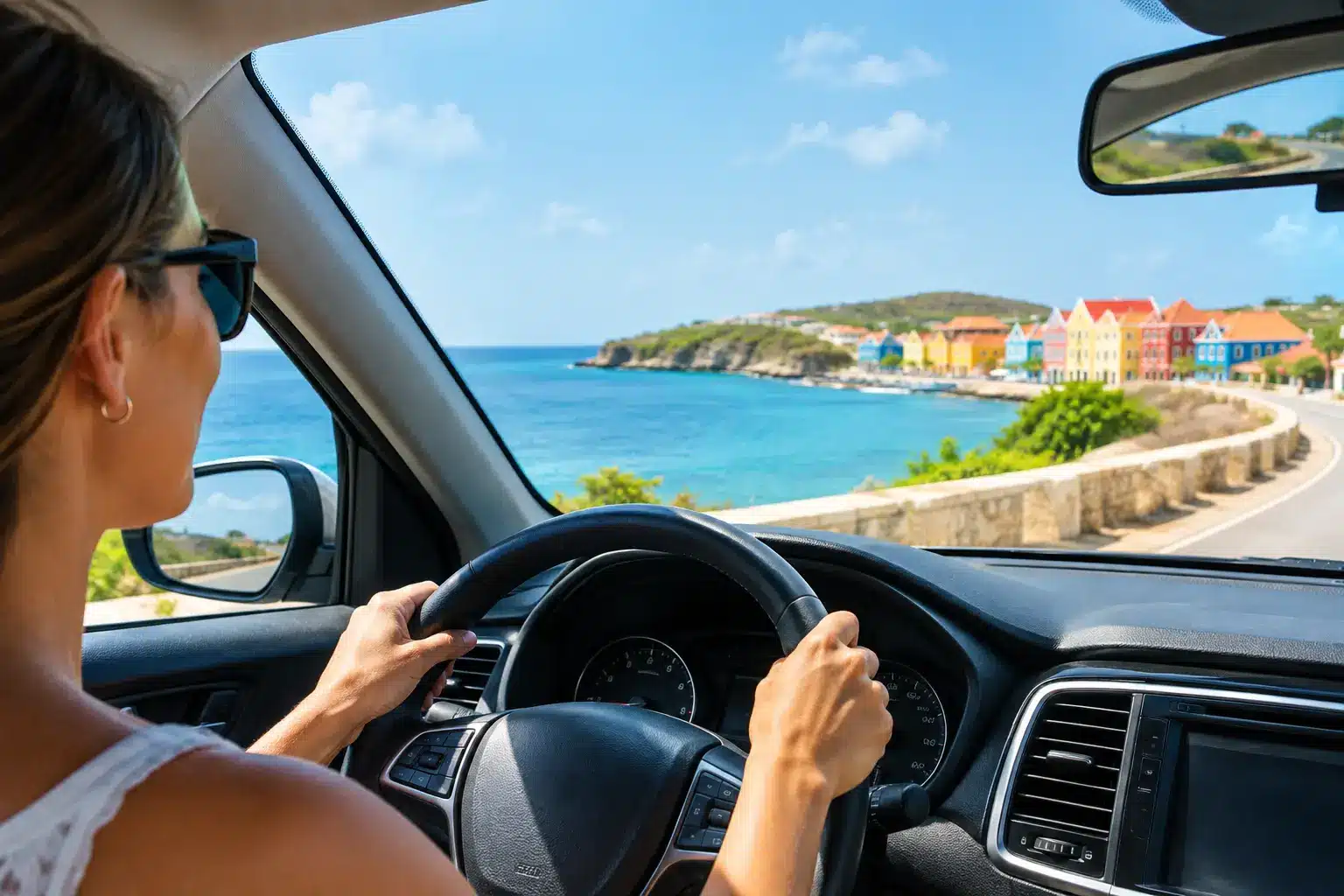
You have just landed at Curaçao International Airport, the beach is calling, and you want to be in the water before the afternoon gets away from you. This Curacao driving rules guide covers the local habits and road basics that help you get moving confidently, from your first turn out of the airport to a sunset drive back from Westpunt.
Curaçao is made for exploring by car. Willemstad, hidden coves, national parks, beach clubs, and snorkel stops are much easier to reach on your own schedule. The roads are generally manageable for visitors, but they do not work exactly like roads in the United States. A little local know-how goes a long way.
Curaçao driving rules guide: start with the basics
Traffic drives on the right side of the road, the same as in the US. The steering wheel is on the left, and most visitors adjust quickly. Still, your first few minutes behind the wheel are the time to slow down, get familiar with the vehicle, and watch how local traffic moves.
Bring your valid physical driver's license. US visitors can generally drive with a current license from home, but it should be carried with you whenever you are driving. If your license is not printed in English or uses a non-Latin alphabet, an International Driving Permit can be a useful companion. It does not replace your license.
Seat belts are required for the driver and passengers. Keep phones put away while driving unless you are using a hands-free setup, and never drive after drinking. A vacation cocktail can wait until you are parked for the night.
Road signs and speed limits are posted in kilometers per hour, not miles per hour. That is the biggest adjustment for many American visitors. A speed of 60 km/h is about 37 mph, while 80 km/h is about 50 mph.
Common limits are often 45 km/h in built-up areas, 60 km/h outside town, and up to 80 km/h on certain main roads. Signs always control, and limits can change quickly near neighborhoods, schools, curves, and intersections. Do not treat these figures as a reason to ignore a lower posted sign.
Intersections, roundabouts, and red lights
Roundabouts are common across the island, and they keep traffic flowing well when everyone follows the same rhythm. Slow down as you approach, yield to vehicles already circulating in the roundabout, and signal as you exit. If you miss your exit, simply continue around again. It is much safer than making a sudden lane change.
At an unsigned intersection, traffic approaching from the right may have priority. Watch carefully rather than assuming the wider-looking road has the right-of-way. Priority signs, yield signs, and stop signs take precedence wherever they are posted.
Do not assume you can make a US-style right turn on red. Treat a red traffic light as a full stop and wait for the proper green signal unless signage or a dedicated signal clearly permits a movement. This one habit prevents a very avoidable vacation problem.
Give pedestrians room at crosswalks and in busy parts of Willemstad. Around Punda, Otrobanda, Mambo Beach, and popular restaurant areas, people may step into the road while focused on shops, cameras, or the view. Expect more foot traffic near cruise activity and after dark.
Drive for the road you are on, not just the speed sign
Curaçao has well-traveled main routes, but beach roads and routes toward the western side of the island can be narrower, rougher, or less brightly lit. Potholes, uneven shoulders, sharp curves, goats, and occasional wandering animals are all reasons to stay alert.
The right vehicle depends on your plans. A compact car is a smart, economical choice for couples staying near Willemstad and visiting easy-access beaches. A crossover or SUV gives families and adventure-minded travelers more room for beach gear, groceries, and longer day trips. If your group is traveling together, a passenger van can make the ride easier than coordinating multiple cars.
Avoid rushing to a beach just before sunset if you have never driven the route before. Some roads outside the busier areas have limited lighting, and navigation apps do not always show every road condition. Head out earlier, leave yourself daylight for the return trip, and enjoy the drive instead of trying to beat the clock.
If heavy rain arrives, reduce speed immediately. Rain can make dusty roads slippery, and water may collect quickly in low spots. Do not attempt to drive through standing water if you cannot judge its depth.
Parking in Willemstad and at the beaches
Parking rules change by location. In central Willemstad, look for designated parking areas, meters, payment instructions, and signs that limit where or when you can park. A spot that looks open is not always free, especially near shopping streets and waterfront areas.
Never block driveways, gates, intersections, or access points. Avoid parking in a way that forces other drivers into the road. If you are unsure whether a space is allowed, choose a clearly marked lot or another location. A short walk is better than returning to a ticket or a vehicle that has been towed.
At beaches, use established parking areas whenever possible and keep valuables out of sight. Do not leave bags, wallets, phones, or passports visible in the car, even for a quick swim. Put items in the trunk before you arrive at the parking area so no one sees where you stored them.
Some beach lots are informal and can be uneven. Park carefully, leave enough space for other vehicles to get through, and avoid soft sand unless you know the area is intended for driving. Getting stuck is not the beach memory anyone wants.
Fuel, navigation, and a calmer first day
Fuel stations are easy to find around Willemstad and along major routes, but options become less frequent as you travel farther west. Fill up before a full beach day or a long island loop, especially if you are planning to visit several remote stops.
Download your maps before setting out or make sure your mobile data plan works on the island. Navigation is helpful, but it is not a substitute for reading the road. Pay attention to signs, lane markings, and traffic around you, particularly when a map app asks you to turn across a busy intersection.
For your first drive, keep it simple. Get comfortable with the car, learn where the lights and wipers are, and take the direct route to your hotel or first stop. Once you have settled in, the island opens up quickly. You can make a spontaneous detour to a viewpoint, stay longer at a favorite beach, or head out for dinner without organizing a taxi ride home.
What to do if something goes wrong
If you have a minor issue, pull over somewhere safe, turn on your hazard lights, and take a moment before deciding what to do next. Do not stop in a travel lane or on a blind curve. For an accident, protect everyone first, document the situation, and follow the instructions from your rental provider and local authorities.
This is where choosing a rental company with clear coverage and real support makes a difference. Rekwest Car Rental & Services offers full-coverage insurance, zero upfront deposit, and 24/7 assistance, so you are not left trying to sort out a problem alone. Keep your rental contact details saved in your phone before you leave the airport.
Driving in Curaçao is not about racing from one attraction to the next. Leave room for the unexpected turn toward turquoise water, a roadside fruit stand, or a quiet lookout you did not plan to find. With the local rules in mind, the best part of having your own car is being free to follow the island wherever it leads.