
Curacao Road Conditions When You Drive the Island
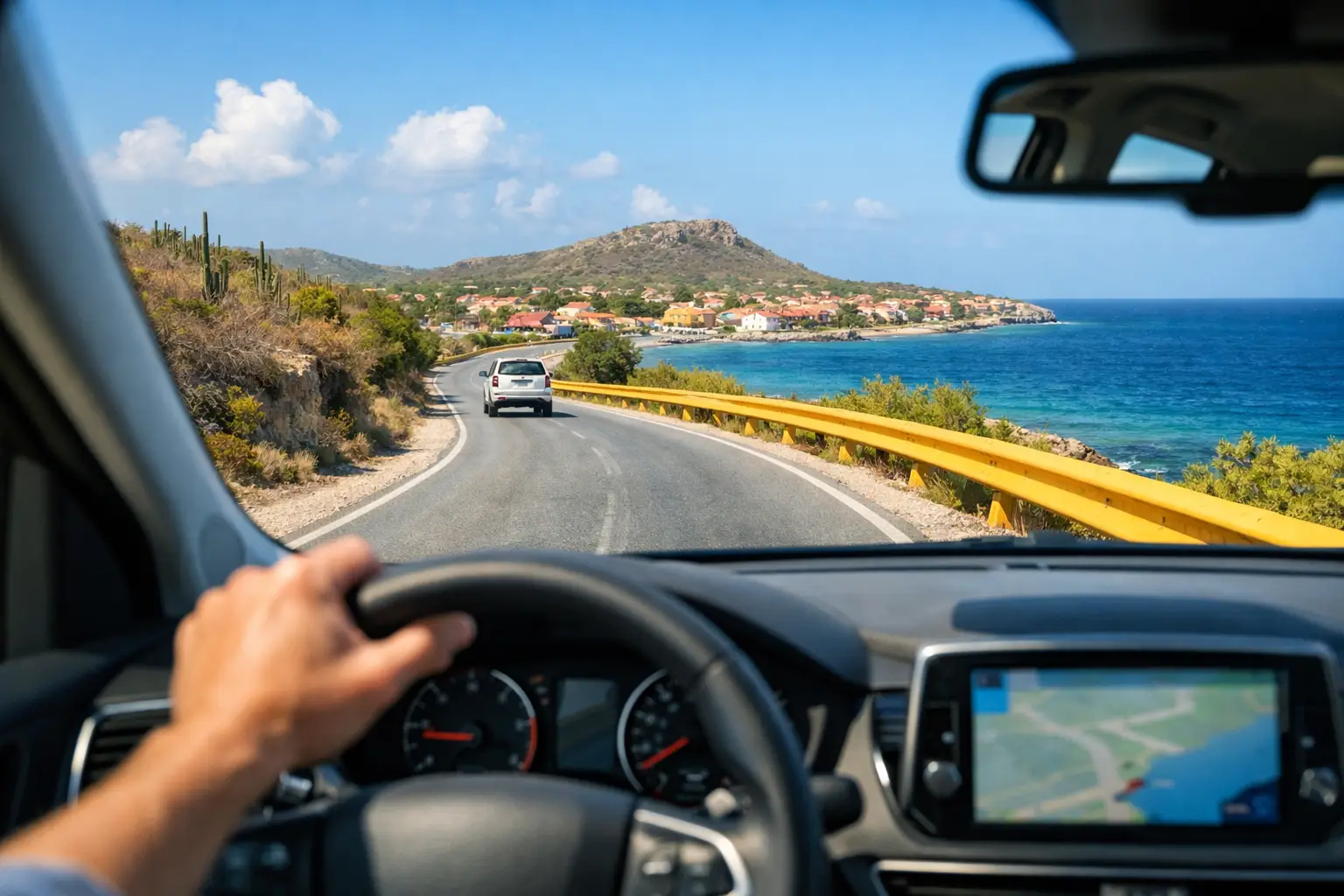
Your beach day should not start with guessing whether the road ahead can handle your rental car. The good news is that Curacao road conditions are generally very manageable for visitors who drive attentively, choose a vehicle that suits their plans, and allow a little extra time for unfamiliar routes.
Most of the island’s main roads are paved and easy to follow. You can comfortably drive between Curaçao International Airport, Willemstad, resort areas, restaurants, and many of the island’s best beaches. The differences show up once you leave the main routes: road surfaces can become narrower, rougher, darker at night, or less predictable after rain.
What Curacao Road Conditions Are Really Like
Curaçao is a drive-on-the-right island, which makes the basic experience familiar for American visitors. Around Willemstad and the busier western and eastern corridors, roads are mostly paved. You will find roundabouts, traffic lights, marked intersections, and plenty of routes that make independent exploring far easier than relying on taxis or a fixed excursion schedule.
Still, this is not a place to drive on autopilot. Some secondary roads have potholes, uneven pavement, faded lane markings, or sharp drainage dips. A route that looks short on a map may take longer than expected because it winds through neighborhoods, passes through a series of roundabouts, or slows near a popular beach entrance.
The key is simple: drive at a relaxed pace, especially when you are headed somewhere new. Curaçao rewards travelers who leave room for a spontaneous photo stop, a beach detour, or a slower section of road rather than trying to rush across the island.
Main roads and city driving
The main roads connecting the airport, Willemstad, Jan Thiel, and the western beaches are the easiest places to drive. They are the best choice for compact cars, sedans, couples, and travelers whose plans center on the city, restaurants, and well-known beach clubs.
Willemstad can feel busy during peak daytime hours, particularly near shopping areas, cruise activity, and popular waterfront sections. Traffic is usually more about patience than complexity. Watch for pedestrians, scooters, vehicles entering from side streets, and drivers slowing suddenly to turn or find parking.
Roundabouts are common and help keep traffic moving. As with any unfamiliar destination, reduce speed as you approach, look carefully for traffic already circulating, and follow posted signs. Do not assume another driver will move quickly just because you are on a main route.
Beach roads and the west side
Driving west is one of the best reasons to rent a car in Curaçao. This is where a day can include quiet coves, snorkeling stops, dramatic coastal views, and a lunch break without watching the clock for a return transfer.
Many roads to major west-side beaches are paved, but the final approach may be narrower or less polished than the road you took to get there. Beach parking areas can include loose gravel, sand, uneven ground, and tight spaces between other vehicles. Go slowly on entry and avoid cutting across open terrain just to find a closer spot.
A compact car can work well for many beach days if you stay on maintained roads. If your itinerary includes more remote spots, frequent west-side drives, or a group carrying coolers, beach bags, and snorkeling gear, a crossover SUV or SUV gives you more clearance, space, and confidence.
Rain changes the drive quickly
Curaçao is known for sunshine, but rain can arrive in brief, heavy bursts. When it does, dusty roads become slick, puddles can hide rough pavement, and low spots can collect water. The island’s dry landscape can make the first rain especially slippery because oil and dust rise to the surface.
If rain starts, ease off the accelerator, increase your following distance, and skip unnecessary shortcuts. Do not drive through standing water if you cannot judge its depth. Waiting a few minutes at a café, beach bar, or safe parking area is often the smarter move.
Road Hazards Worth Watching For
The island is easy to enjoy by car, but a few local realities deserve your attention. They are not reasons to avoid driving. They are reasons to stay present behind the wheel.
Speed bumps can appear with little warning, including on roads that otherwise feel open and smooth. Some are clearly marked, while others are easier to spot only when you are already close. Slow down in residential areas, near schools, and when entering villages or beach zones.
Potholes are another reason not to tailgate. Leaving space between your vehicle and the one ahead gives you time to see changes in the road surface. At night, this matters even more because road lighting is limited outside the most developed areas.
You may also encounter free-roaming animals, including goats or dogs, near quieter roads. They can step into the road without warning, especially around dawn, dusk, and rural areas. Keep your speed modest and avoid swerving sharply if an animal appears.
Finally, do not treat dirt paths or unmarked tracks as standard driving routes. Some lead to private property, rough terrain, or areas where a regular rental vehicle is not appropriate. If a beach or viewpoint is known for a rough approach, ask for local guidance before setting out.
Driving After Dark Takes More Care
A sunset dinner in Willemstad or an evening at Jan Thiel is an easy drive. Late-night trips to unfamiliar beaches, remote viewpoints, or the far west of the island require more caution.
Outside populated areas, streetlights can be limited and road edges may be difficult to see. Uneven pavement, animals, cyclists, and unmarked speed bumps are harder to spot after dark. Use navigation before you leave, make sure your phone has charge, and avoid testing a new shortcut at night.
If you are returning from a beach day after sunset, choose the main paved route even if it adds a few minutes. The more direct road is not always the better road when visibility drops.
Which Rental Car Fits Your Route?
There is no single right vehicle for every Curaçao trip. It depends on where you plan to go, how many people are traveling, and how much you value extra room and ground clearance.
A Chevrolet Spark or similar compact is a practical fit for solo travelers and couples staying near Willemstad, taking paved beach routes, and wanting easy parking. A sedan such as a Kia Rio or Hyundai Elantra adds comfort for longer drives while remaining easy to handle around town.
For families, friend groups, or travelers planning several beach days, a Kia Soul, Jeep Renegade, or Kia Sportage can make the day more comfortable. You get room for towels, bags, groceries, and snorkel equipment, plus added reassurance when a parking lot or final stretch of road is uneven. Passenger vans make sense when the priority is keeping a larger group together instead of coordinating multiple cars.
The goal is not to rent more vehicle than you need. It is to choose a car that lets you say yes to the places on your itinerary without worrying about every small bump or bag.
A Better Way to Plan Your First Drive
Your first drive sets the tone for the trip. Before leaving the airport or your accommodation, save your first destination in navigation, check the fuel level, and keep water in the car. If you are arriving after a long flight, start with a familiar main route rather than heading straight to the island’s most remote beach.
Plan beach days by area. Visit several west-side stops on the same day instead of driving back and forth across the island. Keep valuables out of sight when parking, follow signs at beach entrances, and never block access roads or other vehicles.
With 24/7 support, free island-wide delivery and collection, and full coverage included, Rekwest Car Rental & Services helps remove the usual rental-car stress before the wheels start moving. That leaves you free to focus on the good part: choosing the next beach, viewpoint, or colorful neighborhood on your own schedule.
Curaçao is best experienced with a little flexibility. Drive calmly, respect the road, and let the island’s unexpected stops become part of the plan.