
Curaçao Driving Rules for a Smooth Island Trip
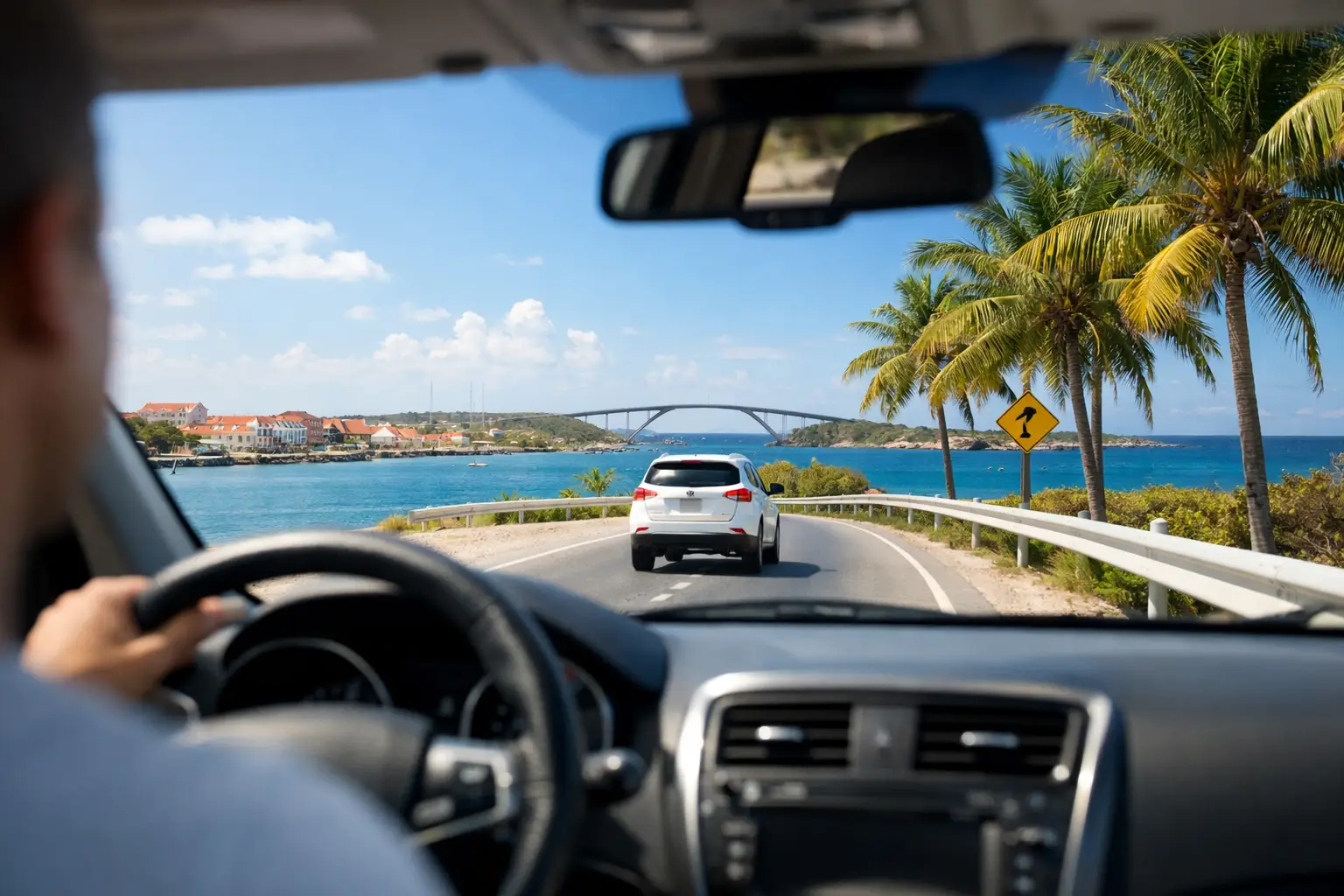
A beach day in Curaçao can start with breakfast in Willemstad and end at a quiet west-side cove - but only if you feel comfortable getting there. Knowing the Curaçao driving rules before you take the wheel makes that freedom much more enjoyable. The island is easy to explore by car, yet its roads, intersections, and local driving rhythm can feel different from what US visitors expect.
The good news: you do not need to overthink it. Drive with attention, follow posted signs, give yourself extra time outside town, and you will be ready to go where your schedule takes you.
Curaçao Driving Rules to Know First
Curaçao drives on the right side of the road, just like the United States. The driver sits on the left, and most vehicles use automatic transmission, so the basic experience will feel familiar right away.
Everyone in the vehicle should wear a seat belt. If you are traveling with children, plan ahead for the appropriate child seat or booster seat based on their age and size. A vacation drive is not the time to make exceptions, especially when roads can be uneven or busy near popular beaches and city areas.
Use your valid driver’s license and carry it with you whenever you drive. Visitors with a current foreign license can generally drive during a short stay, but rental requirements can vary by company, vehicle category, age, and license history. Check those details before arrival if you have a newer license, are under 25, or need a larger vehicle for your group.
Never treat drinking and driving casually. Curaçao is made for beach bars, sunset dinners, and celebratory cocktails, but the person driving should stay sober. Choose a designated driver or arrange another ride if your plans include alcohol.
Follow Signs, Not Assumptions
Road signs in Curaçao are based largely on Dutch and European conventions. Many are intuitive, but it is smart to slow down when you see an unfamiliar sign rather than guessing its meaning. Posted speed limits, no-parking zones, pedestrian crossings, and one-way streets all deserve close attention.
Speed limits are not the same everywhere. They can change quickly as you move from open roads into villages, residential streets, school areas, or the center of Willemstad. Watch for signs instead of relying on one number for the whole island. Driving at a relaxed pace is usually the better choice anyway - you are here to enjoy the view, not rush past it.
Do not assume US rules such as turning right on red apply. At traffic lights and intersections, follow the signal, road markings, and signs in front of you. If the situation is unclear, wait for a safe opening rather than forcing a turn.
Roundabouts Need a Calm Approach
Roundabouts are common on Curaçao and can keep traffic moving smoothly when drivers stay patient. Slow down on approach, look for signs and lane markings, and yield to traffic already circulating in the roundabout unless signage tells you otherwise.
Use your turn signal when exiting. It is a small habit that makes your intentions clearer to other drivers, scooters, cyclists, and pedestrians. Larger roundabouts may have multiple lanes, so choose your lane early and avoid last-second changes.
If you miss your exit, simply continue around and try again. A wrong turn costs a minute. A sudden cut across lanes can cost much more.
Drive for the Road You Are On
Curaçao offers well-traveled main routes, but not every road has wide shoulders, bright lighting, or perfect pavement. Once you leave the busier areas, expect narrower lanes, rougher surfaces, occasional potholes, and stretches with little traffic. This is part of exploring the island beyond the resort zone.
Keep both hands ready on the wheel and leave extra space behind the vehicle ahead. On narrow roads, be prepared to slow down or pull slightly aside so another car can pass safely. Do not drive around a blind corner as if the road is empty - local traffic, parked vehicles, walkers, or animals may be just ahead.
Road conditions can also change after rain. Even a brief shower may leave surfaces slick, create standing water, or expose loose gravel at the road edge. Reduce speed, brake gradually, and avoid sharp steering movements. A compact car is a great fit for city driving and paved beach routes, while an SUV or crossover can be a comfortable choice for families, beach gear, and more adventurous day trips. The right vehicle depends on where you plan to go, not just how many people are traveling.
Watch Closely After Dark
Night driving deserves extra care. Some island roads have limited street lighting, and dark clothing, animals, pedestrians, or cyclists can be hard to spot until you are close. Keep your headlights on, lower your speed, and avoid distractions.
This is especially relevant after a late dinner or a sunset stop on the west side. Your navigation app may show a direct route, but a slightly longer main road can be the more comfortable option at night. If you are unfamiliar with the area, prioritize well-traveled routes and do not rely only on a screen - keep watching the road itself.
Parking in Willemstad and at the Beaches
Parking is straightforward when you give yourself a few minutes to look around. In Willemstad, pay attention to marked spaces, parking signs, curb colors, and any payment instructions. Some areas are busier than others, especially near Punda, Otrobanda, restaurants, shops, and waterfront attractions.
Do not block driveways, entrances, narrow lanes, or traffic flow just because a spot looks open. Parking too tightly along a busy road can make it difficult for others to pass and may put your vehicle at risk of being sideswiped. When in doubt, choose a legal lot or a clearly designated space and walk a little farther.
At beaches and natural sites, park only where other visitors are meant to park. Keep valuables out of sight before you arrive, not after you stop. Place bags, wallets, phones, and cameras in the trunk or take them with you. An unattended car should never advertise what is inside.
Many beach parking areas are informal and can fill up on weekends or around midday. Arriving earlier gives you better parking, more shade, and more time in the water. It also means you can leave on your own schedule rather than waiting for a taxi or a tour group.
Share the Road With Local Life
Driving in Curaçao is not only about cars. You may share the road with scooters, cyclists, pedestrians, delivery vehicles, and people crossing between neighborhoods. Give two-wheeled road users plenty of room and look carefully before opening a door or turning across a lane.
In residential areas, expect children, dogs, and occasional animals near or on the road. Slow down well before you reach them. Honking may be used as a quick alert, but it should not replace patience or safe following distance.
Local drivers know the roads and may move with more confidence than a first-time visitor. Let faster traffic pass when it is safe, especially on open stretches. There is no prize for keeping up with a driver who knows every bend and pothole. Your job is to arrive safely and enjoy the trip.
Make Your Rental Day Easier
Before leaving with your vehicle, take a minute to adjust mirrors, learn the lights and wipers, save your accommodation address, and confirm how to contact your rental provider. Download maps for offline use if you can, since mobile coverage and navigation can be less reliable in remote areas.
Keep water in the car, especially for beach-hopping days. Curaçao’s sun is strong, and a short drive can turn into a longer one when you stop for a viewpoint, a food truck, or an unplanned swim. If you are traveling with family or friends, agree on the day’s main stops before everyone gets comfortable in the car.
Rekwest Car Rental & Services helps travelers start that day with 24/7 pickup and drop-off, all-risk coverage included, and direct support when questions come up. That leaves you free to focus on the route ahead.
The best Curaçao drives are rarely the ones you rush. Give yourself room for a missed turn, a photo stop, and that small road leading toward blue water. Drive thoughtfully, park wisely, and let the island set the pace.